
09/04/26
Care is never static.
What works today may not work six months from now. Mobility can decline or improve. Health conditions can shift. Support needs can increase, decrease or change entirely. This is the reality across home care, long-term care and hospital environments.
The challenge is that many care setups are designed for the present moment – not for what comes next.
Future-focused care takes a different approach.
It starts by recognising that change is not a possibility, it is a certainty. Instead of reacting to new needs as they arise, the goal is to plan ahead. To create environments that can adapt over time without compromising safety, comfort or dignity.
That is where the right equipment makes a meaningful difference.
Designing for Today and Tomorrow
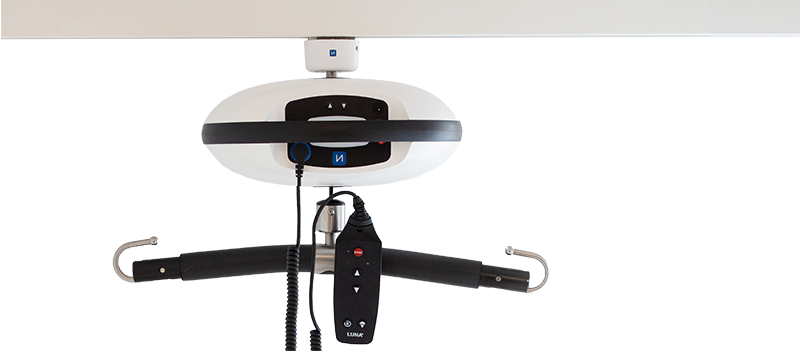
Well-chosen care solutions should support current needs while allowing for progression. This might mean selecting seating that can be adjusted as posture changes, or choosing moving and handling equipment that can accommodate different levels of mobility over time.
It is not just about functionality in the moment. It is about flexibility over the lifespan of care.
When equipment can evolve with the patient, it reduces the need for frequent replacements, minimises disruption and helps maintain a consistent standard of care.
For carers and clinical teams, this creates a more stable and manageable environment. For patients, it provides a greater sense of comfort and security.
Why Durability and Serviceability Matter
Future-focused care is not only about adaptability – it is also about reliability.
In care environments, equipment is used every day. It needs to perform consistently, without failure, under continuous demand. When equipment breaks down or becomes unreliable, it does more than create inconvenience. It introduces risk, adds stress for carers and can negatively impact patient wellbeing.
This is why durability matters.
High-quality equipment that is built to last reduces downtime and ensures that care can continue without interruption. But durability alone is not enough. Serviceability is equally important.
The ability to maintain, repair and support equipment over time plays a key role in sustaining care environments. It aligns closely with the growing importance of the right to repair – extending product life, reducing waste and ensuring long-term value.
Ongoing support and maintenance are what turn a good product into a dependable solution.
Consistency Builds Confidence
Consistency in care is often overlooked, but it has a profound impact.
For patients, consistent support creates a sense of safety and familiarity. It allows them to trust their environment and feel more at ease in daily routines.
For carers, it reduces uncertainty. Equipment that works as expected, every time, makes care smoother and more efficient. It allows them to focus on the person, rather than troubleshooting problems.
For clinical teams, consistency supports better outcomes. Reliable equipment contributes to safer handling, improved positioning and more effective long-term care planning.
In every setting, consistency builds confidence.
A Long-Term Approach to Better Care
At Elite Healthcare, the focus is not just on providing equipment. It is on supporting care environments over time.
That means looking beyond immediate needs and considering how care will evolve. It means prioritising durable, serviceable solutions that can adapt as required. And it means offering ongoing guidance and support to ensure equipment continues to perform as it should.
One assessment. One partner.
By taking a long-term view, care teams can reduce complexity, minimise disruption and create environments that remain safe, comfortable and effective well into the future.
Because good care is not just about meeting today’s needs – it is about being ready for what comes next.
Care is never static.
What works today may not work six months from now. Mobility can decline or improve. Health conditions can shift. Support needs can increase, decrease or change entirely. This is the reality across home care, long-term care and hospital environments.
The challenge is that many care setups are designed for the present moment – not for what comes next.
Future-focused care takes a different approach.
It starts by recognising that change is not a possibility, it is a certainty. Instead of reacting to new needs as they arise, the goal is to plan ahead. To create environments that can adapt over time without compromising safety, comfort or dignity.
That is where the right equipment makes a meaningful difference.
Designing for Today and Tomorrow
Well-chosen care solutions should support current needs while allowing for progression. This might mean selecting seating that can be adjusted as posture changes, or choosing moving and handling equipment that can accommodate different levels of mobility over time.
It is not just about functionality in the moment. It is about flexibility over the lifespan of care.
When equipment can evolve with the patient, it reduces the need for frequent replacements, minimises disruption and helps maintain a consistent standard of care.
For carers and clinical teams, this creates a more stable and manageable environment. For patients, it provides a greater sense of comfort and security.
Why Durability and Serviceability Matter
Future-focused care is not only about adaptability – it is also about reliability.
In care environments, equipment is used every day. It needs to perform consistently, without failure, under continuous demand. When equipment breaks down or becomes unreliable, it does more than create inconvenience. It introduces risk, adds stress for carers and can negatively impact patient wellbeing.
This is why durability matters.
High-quality equipment that is built to last reduces downtime and ensures that care can continue without interruption. But durability alone is not enough. Serviceability is equally important.
The ability to maintain, repair and support equipment over time plays a key role in sustaining care environments. It aligns closely with the growing importance of the right to repair – extending product life, reducing waste and ensuring long-term value.
Ongoing support and maintenance are what turn a good product into a dependable solution.
Consistency Builds Confidence
Consistency in care is often overlooked, but it has a profound impact.
For patients, consistent support creates a sense of safety and familiarity. It allows them to trust their environment and feel more at ease in daily routines.
For carers, it reduces uncertainty. Equipment that works as expected, every time, makes care smoother and more efficient. It allows them to focus on the person, rather than troubleshooting problems.
For clinical teams, consistency supports better outcomes. Reliable equipment contributes to safer handling, improved positioning and more effective long-term care planning.
In every setting, consistency builds confidence.
A Long-Term Approach to Better Care
At Elite Healthcare, the focus is not just on providing equipment. It is on supporting care environments over time.
That means looking beyond immediate needs and considering how care will evolve. It means prioritising durable, serviceable solutions that can adapt as required. And it means offering ongoing guidance and support to ensure equipment continues to perform as it should.
One assessment. One partner.
By taking a long-term view, care teams can reduce complexity, minimise disruption and create environments that remain safe, comfortable and effective well into the future.
Because good care is not just about meeting today’s needs – it is about being ready for what comes next.