
01/08/23
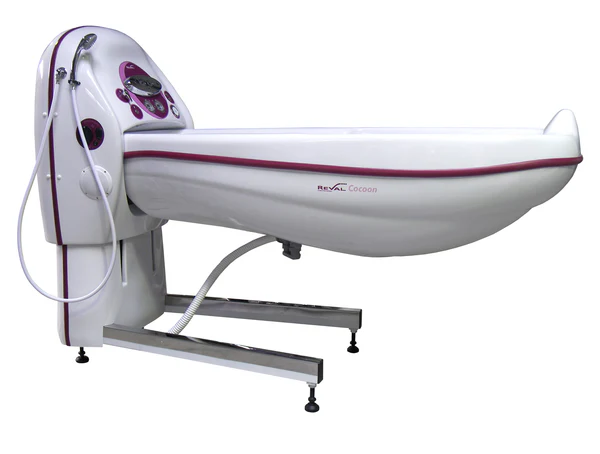
What are the benefits of bathing and therapies in a healthcare setting?
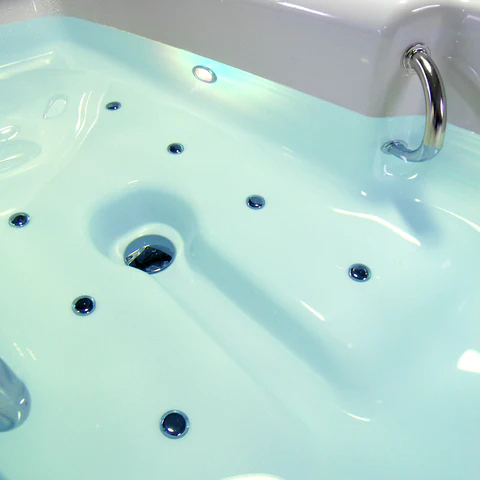
Bathing and therapies play a crucial role in healthcare settings, providing numerous benefits for patients. These practices not only promote hygiene but also contribute to the overall well-being and recovery of individuals. Let’s explore the key advantages of bathing and therapies in a healthcare setting:
1. Enhanced Hygiene and Infection Control
Regular bathing helps maintain cleanliness and prevents the spread of infections in healthcare facilities. By removing dirt, sweat, and bacteria from the body, patients are less likely to develop healthcare-associated infections. Additionally, therapies such as hydrotherapy can cleanse wounds and promote healing, further reducing the risk of infections.
2. Improved Circulation and Pain Relief
Bathing in warm water stimulates blood circulation, which is beneficial for patients with circulatory disorders or those who are bedridden. The increased blood flow helps deliver oxygen and nutrients to the body’s tissues, promoting healing and reducing pain. Therapies like Hydrotherapy can also alleviate muscle and joint pain, providing much-needed comfort to patients.
3. Relaxation and Stress Reduction
Bathing and therapies offer a calming and soothing experience for patients, helping them relax and reduce stress. Warm water immersion has been shown to release endorphins, which are natural mood-boosting chemicals. This can have a positive impact on patients’ mental well-being, reducing anxiety and improving overall mood.
4. Rehabilitation and Physical Therapy
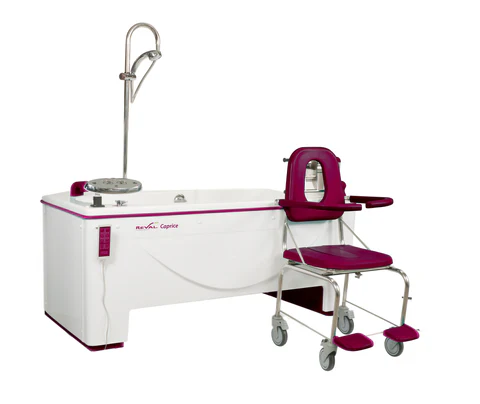
In a healthcare setting, bathing and therapies are often incorporated into rehabilitation and physical therapy programs. Hydrotherapy, for example, can assist in the recovery of patients with musculoskeletal injuries or those undergoing joint replacement surgeries. The buoyancy of water reduces the impact on joints, allowing for gentle exercises and improved range of motion.
5. Enhanced Quality of Life
By promoting cleanliness, comfort, and relaxation, bathing and therapies contribute to an improved quality of life for patients in healthcare settings. These practices not only address physical needs but also provide emotional support and a sense of dignity. Patients who feel clean, refreshed, and cared for are more likely to have a positive outlook on their recovery journey.
Why is bathing and therapies important in a healthcare setting?
Bathing and therapies are essential components of holistic healthcare. They go beyond mere hygiene and offer a range of physical, psychological, and emotional benefits. Here’s why bathing and therapies are important in a healthcare setting:
1. Preventing Complications
Regular bathing helps prevent complications such as pressure ulcers, urinary tract infections, and pneumonia. Maintaining proper hygiene reduces the risk of skin breakdown and infections, which can lead to more severe health issues, especially in vulnerable populations.
2. Promoting Healing and Recovery
Therapies like hydrotherapy, massage, and aromatherapy can aid in the healing process and promote faster recovery. These interventions improve blood circulation, reduce pain and inflammation, and enhance the body’s natural healing mechanisms. By incorporating these therapies into healthcare settings, patients can experience improved outcomes and shorter hospital stays.
3. Enhancing Patient Comfort
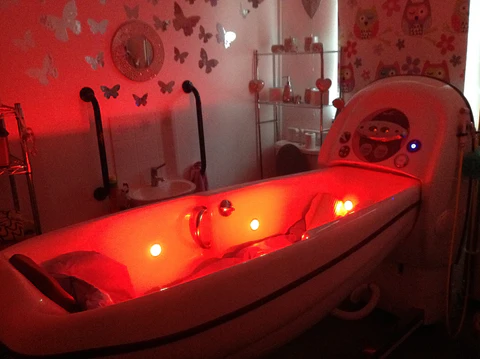
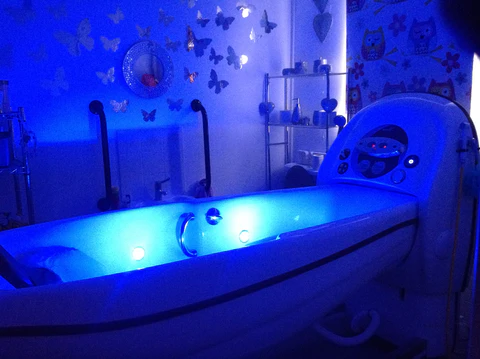
Bathing and therapies provide a sense of comfort and well-being to patients, particularly those who may be experiencing pain, discomfort, or anxiety. The warm water, gentle massages, and pleasant scents associated with these practices create a soothing environment that helps patients relax and feel cared for.
4. Fostering Therapeutic Relationships
Engaging in bathing and therapies allows healthcare professionals to establish therapeutic relationships with their patients. These activities provide opportunities for communication, trust-building, and personalised care. By actively involving patients in their bathing and therapy routines, healthcare providers can promote patient-centered care and enhance the overall healthcare experience.
5. Supporting Mental Well-being
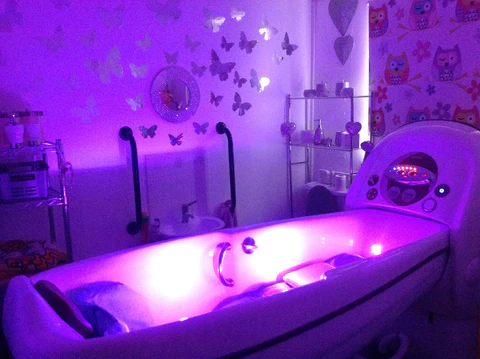
Bathing and therapies have a positive impact on mental well-being by reducing stress, anxiety, and depression. The relaxation and sensory stimulation provided by these practices mentioned above including colour therapy can improve patients’ mood, promote better sleep, and enhance their overall psychological state. This, in turn, contributes to a more positive and holistic approach to healthcare.
In conclusion, bathing and therapies play a vital role in healthcare settings, offering a wide range of benefits for patients. From promoting hygiene and preventing infections to enhancing comfort and supporting recovery, these practices contribute to the overall well-being and quality of life of individuals in need of healthcare services.
Contact us to learn more EMAIL
What are the benefits of bathing and therapies in a healthcare setting?
Bathing and therapies play a crucial role in healthcare settings, providing numerous benefits for patients. These practices not only promote hygiene but also contribute to the overall well-being and recovery of individuals. Let’s explore the key advantages of bathing and therapies in a healthcare setting:
1. Enhanced Hygiene and Infection Control
Regular bathing helps maintain cleanliness and prevents the spread of infections in healthcare facilities. By removing dirt, sweat, and bacteria from the body, patients are less likely to develop healthcare-associated infections. Additionally, therapies such as hydrotherapy can cleanse wounds and promote healing, further reducing the risk of infections.
2. Improved Circulation and Pain Relief
Bathing in warm water stimulates blood circulation, which is beneficial for patients with circulatory disorders or those who are bedridden. The increased blood flow helps deliver oxygen and nutrients to the body’s tissues, promoting healing and reducing pain. Therapies like Hydrotherapy can also alleviate muscle and joint pain, providing much-needed comfort to patients.
3. Relaxation and Stress Reduction
Bathing and therapies offer a calming and soothing experience for patients, helping them relax and reduce stress. Warm water immersion has been shown to release endorphins, which are natural mood-boosting chemicals. This can have a positive impact on patients’ mental well-being, reducing anxiety and improving overall mood.
4. Rehabilitation and Physical Therapy
In a healthcare setting, bathing and therapies are often incorporated into rehabilitation and physical therapy programs. Hydrotherapy, for example, can assist in the recovery of patients with musculoskeletal injuries or those undergoing joint replacement surgeries. The buoyancy of water reduces the impact on joints, allowing for gentle exercises and improved range of motion.
5. Enhanced Quality of Life
By promoting cleanliness, comfort, and relaxation, bathing and therapies contribute to an improved quality of life for patients in healthcare settings. These practices not only address physical needs but also provide emotional support and a sense of dignity. Patients who feel clean, refreshed, and cared for are more likely to have a positive outlook on their recovery journey.
Why is bathing and therapies important in a healthcare setting?
Bathing and therapies are essential components of holistic healthcare. They go beyond mere hygiene and offer a range of physical, psychological, and emotional benefits. Here’s why bathing and therapies are important in a healthcare setting:
1. Preventing Complications
Regular bathing helps prevent complications such as pressure ulcers, urinary tract infections, and pneumonia. Maintaining proper hygiene reduces the risk of skin breakdown and infections, which can lead to more severe health issues, especially in vulnerable populations.
2. Promoting Healing and Recovery
Therapies like hydrotherapy, massage, and aromatherapy can aid in the healing process and promote faster recovery. These interventions improve blood circulation, reduce pain and inflammation, and enhance the body’s natural healing mechanisms. By incorporating these therapies into healthcare settings, patients can experience improved outcomes and shorter hospital stays.
3. Enhancing Patient Comfort
Bathing and therapies provide a sense of comfort and well-being to patients, particularly those who may be experiencing pain, discomfort, or anxiety. The warm water, gentle massages, and pleasant scents associated with these practices create a soothing environment that helps patients relax and feel cared for.
4. Fostering Therapeutic Relationships
Engaging in bathing and therapies allows healthcare professionals to establish therapeutic relationships with their patients. These activities provide opportunities for communication, trust-building, and personalised care. By actively involving patients in their bathing and therapy routines, healthcare providers can promote patient-centered care and enhance the overall healthcare experience.
5. Supporting Mental Well-being
Bathing and therapies have a positive impact on mental well-being by reducing stress, anxiety, and depression. The relaxation and sensory stimulation provided by these practices mentioned above including colour therapy can improve patients’ mood, promote better sleep, and enhance their overall psychological state. This, in turn, contributes to a more positive and holistic approach to healthcare.
In conclusion, bathing and therapies play a vital role in healthcare settings, offering a wide range of benefits for patients. From promoting hygiene and preventing infections to enhancing comfort and supporting recovery, these practices contribute to the overall well-being and quality of life of individuals in need of healthcare services.
Contact us to learn more EMAIL
The Team
Elite Healthcare's management team consists of a mix of experienced healthcare business managers, backed up by a team of experienced qualified clinical, technical and administration personnel, all with many years of experience in sales and service provision in the healthcare sector in Ireland.